Initiative Assainir Kinshasa
Mutualiser les efforts de tous pour résoudre une urgence environnementale et transformer l'assainissement en moteur de développement durable.
Situation Actuelle
Les déchets de la RDC émettent plus de Gaz à Effet de Serre que 117 pays notamment des puissances industrielles comme l'Espagne, l'Algérie, les Pays-Bas, le Nigéria, le Qatar, la Belgique, Singapour, etc.
Avec près de 200 MtCO2 par an, les déchets représentent 23 % des émissions de la RDC, dix fois plus que les émissions des secteurs industriels (mine, cimenterie, etc.) et constituent le deuxième plus gros émetteur après la déforestation.
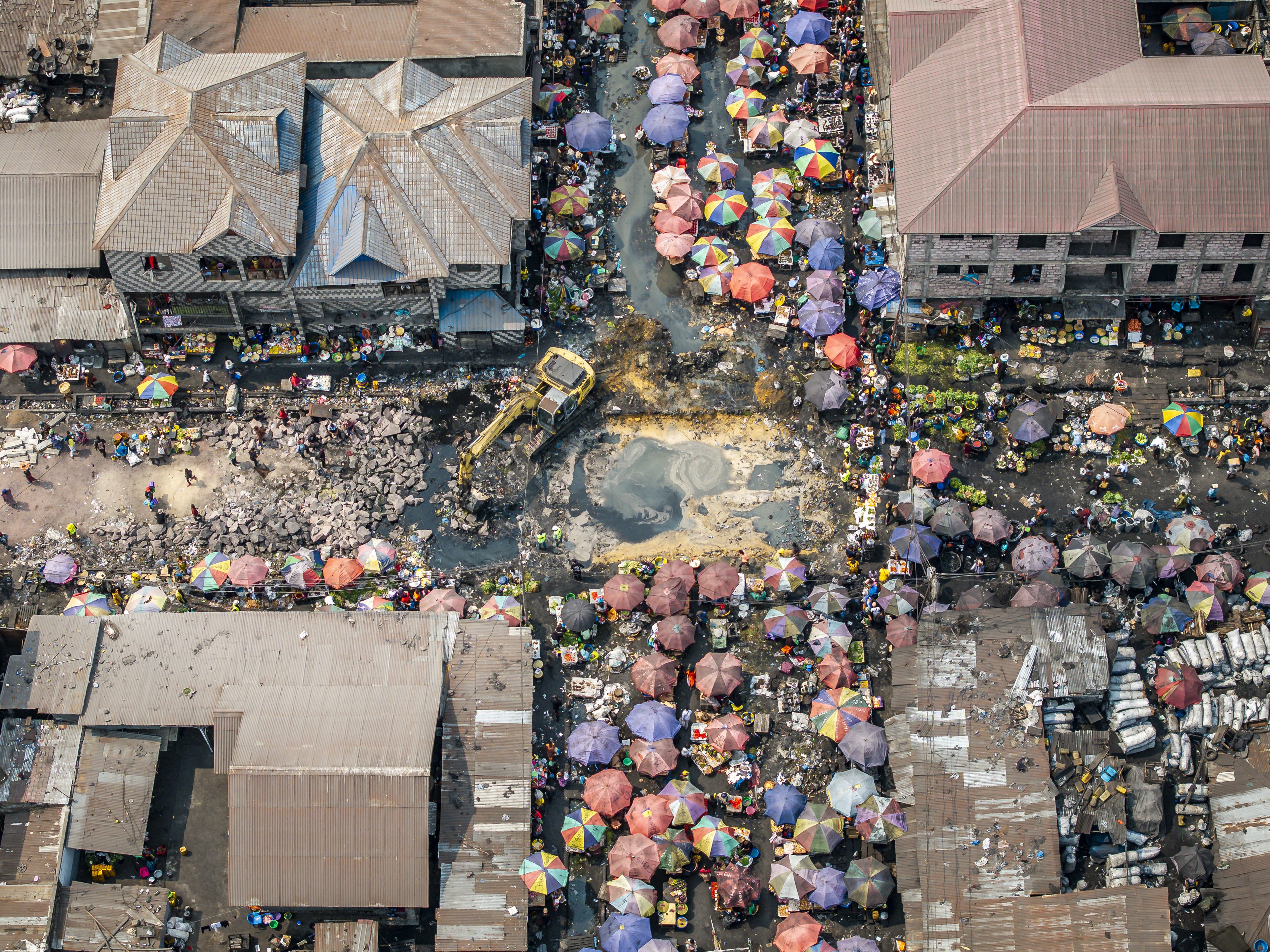
En effet, plus de 90% des déchets sont brûlés en plein air ou déversés dans la nature sans traitement. En 2023, la ville de Kinshasa avait la pire qualité de l'air au monde et la RDC serait le deuxième producteur mondial de déchets plastiques.

Transformer les déchets en moteur de croissance verte inclusive
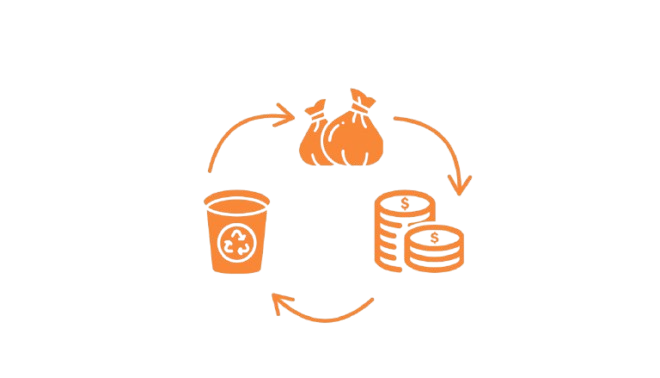
Quitter l'informalité et la mauvaise gestion de 95% des déchets solides municipaux de Kinshasa pour établir des chaines de valeur formalisée et inclusive d'économie verte de l'assainissement peut constituer une infrastructure économique support d'un développement urbain durable
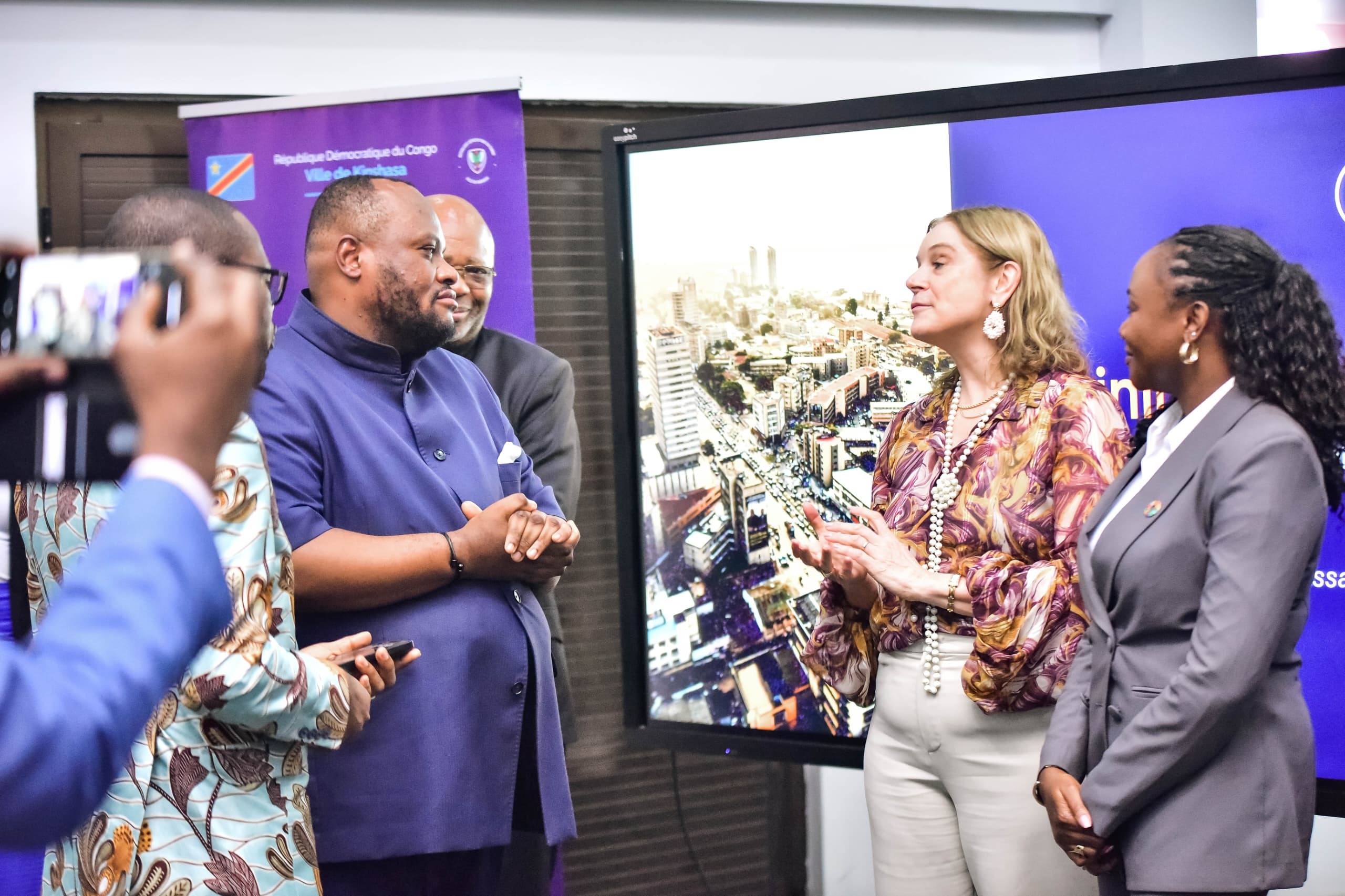

Un partenariat volontaire porté par la ville de Kinshasa, parrainé par l'ambassade de Pays Bas et le UN Global compact
L'initiative Assainir Kinshasa est née de l'engagement de l'Ambassade de Pays Bas et UN Global Compact, exprimé lors du Clean Up Day en septembre de 2024, en faveur de la mobiliser du secteur privé pour accompagner le Gouverneur de Kinshasa, Monsieur Daniel Bumba Lubaki, dans la mise en œuvre de sa politique urbaine d'assainissement d'Implémentation d'un système intégré de gestion et de traitement des déchets urbains, allant de la collecte à la valorisation des déchets sous formes d'énergie, d'engrais ou de pavés écologiques
Filières économiques prioritaires des déchets à Kinshasa
Formaliser la gestion des 5 millions des tonnes des déchets solides de Kinshasa en chaînes de valeur vertes autour de cinq filières économiques à fort potentiel, peut générer 2 milliards USD de revenu annuels et plus de 150.000 emplois en économie formelle
Paiement digitaux
300 MUS$ de la collecte primaire payé à l'informel
Cuisson propre
400 MUS$ biogaz des déchets organiques
Compost
80.000 ha bio fertilisation et évitement agriculture sur brulis
Electricité
50 MUS$ Electricité par pyrolyse des déchets médicaux, etc.
Plastique
370 MUS$ Recyclage, pavés, granulés, combustibles
Crédit carbone
500 MUS$ cuisson propre, déforestation, crédit plastique, énergie verte